Impressions of Hue
Hue, the final imperial capital of Vietnam’s dynastic era, is most famous for the moated Imperial City, but what captivated me most is the town’s deeply peaceful vibe.
From last year to now, I have traveled to Vietnam five times, staying roughly two months per trip on 90-day E-visas. On my very first trip to Vietnam, I took an overnight sleeper train from Hanoi down to Hue. It took over ten hours, but I met a lively group of French backpackers on board, which made the journey fun.
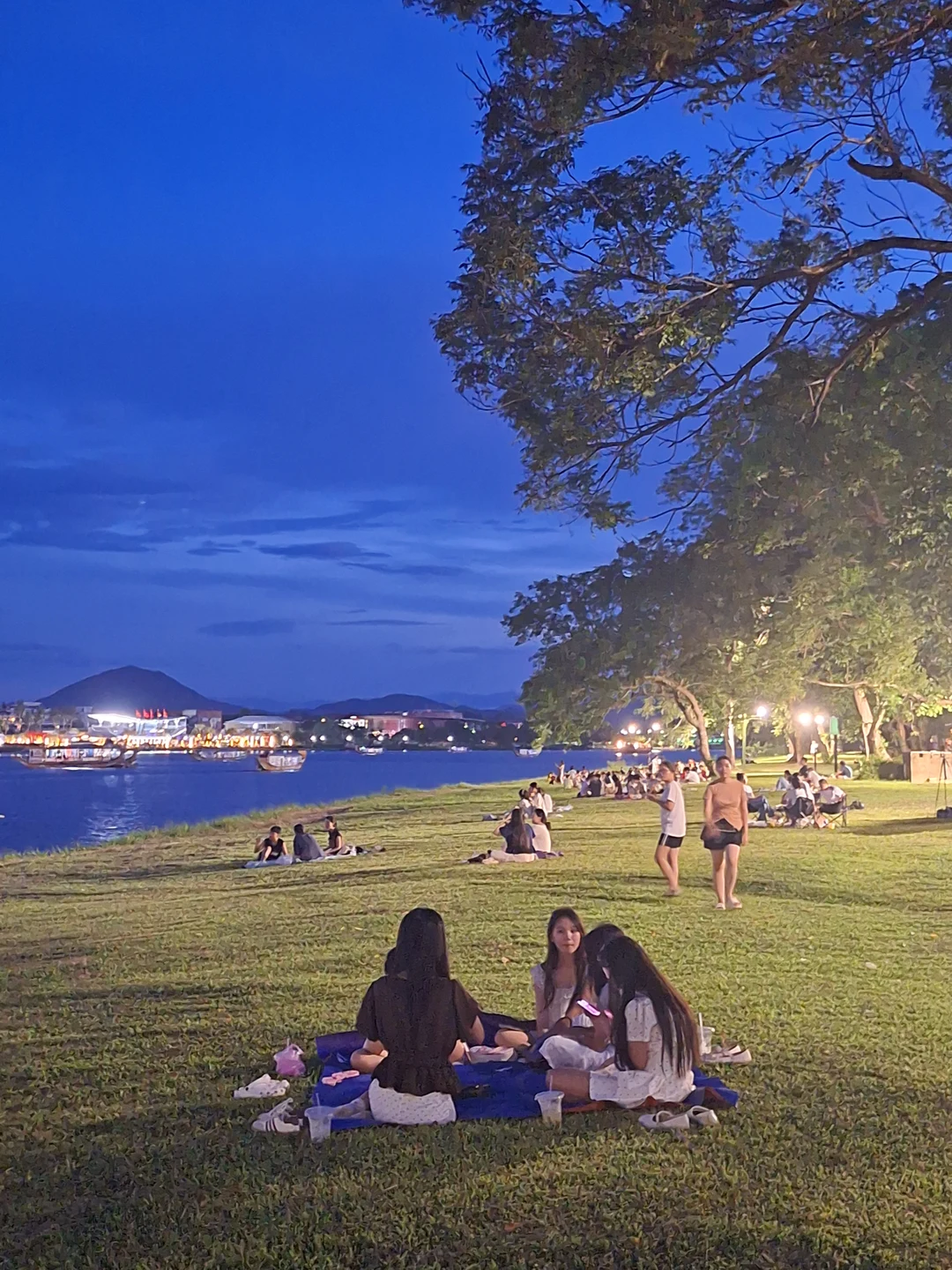
It was late March then, with pleasant weather hovering around 22°C, perfectly mild for exploring. That initial trip was typical sightseeing: drifting aimlessly through the Imperial City on day one, and wandering the walking street for a night city walk alone. On day two, I rented a motorbike to visit the Emperor Khai Dinh Mausoleum. After ticking off the tourist landmarks, I slowed down to stroll along the Perfume River, which was wonderfully relaxing in the evening with young locals and open-air concerts. I hadn’t done much prep work, but I felt immediately comfortable—the cost of living was remarkably low, streets weren’t congested, and it left a lasting warm impression.
By this year, my trips to Hue became more frequent—two solo trips and two rides with my friend Liebing, all by motorbike. Why visit Hue so often? Several times it coincided with peak travel season in neighboring Da Nang, where hotel rates regularly surged three- or four-fold. Traveling on a budget, I was conscious of lodging costs, so I treated Hue or Hoi An as my reliable alternatives, where clean hostel dorms ran around 30 RMB (~$4.50 USD) a night. In Da Nang over major holidays, 70 to 80 RMB beds were common, and more importantly, finding an available bed was nearly impossible.
Of course, riding a motorbike for 100-plus kilometers from Da Nang to Hue is hardly the most comfortable route, but it is undeniably the most fun. We rode along the coastline all the way into Hue city, with the iconic Hai Van Pass as the undeniable centerpiece. It is the most challenging stretch since it’s entirely winding mountain roads requiring cautious riding. In the heat of summer, it’s best to ride in the afternoon when shadows cool the asphalt; on rainy days, riding isn’t advised because large freight trucks pass frequently, posing real hazards. The summit hosts the Hai Van Pass scenic gate—it used to be free, but recently got fenced off for admission. In my experience, there’s no need to pay to go inside; it’s quite ordinary.
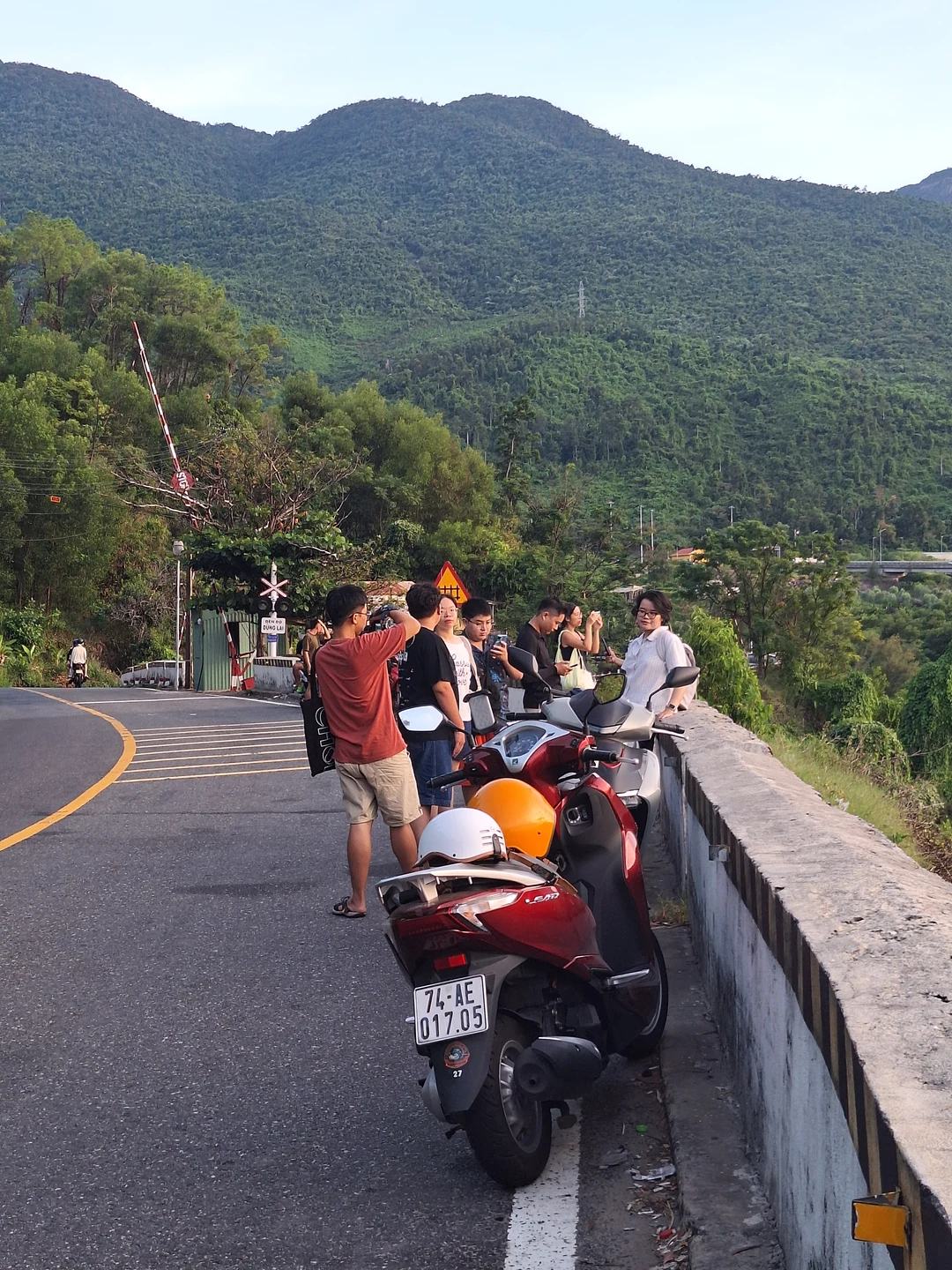
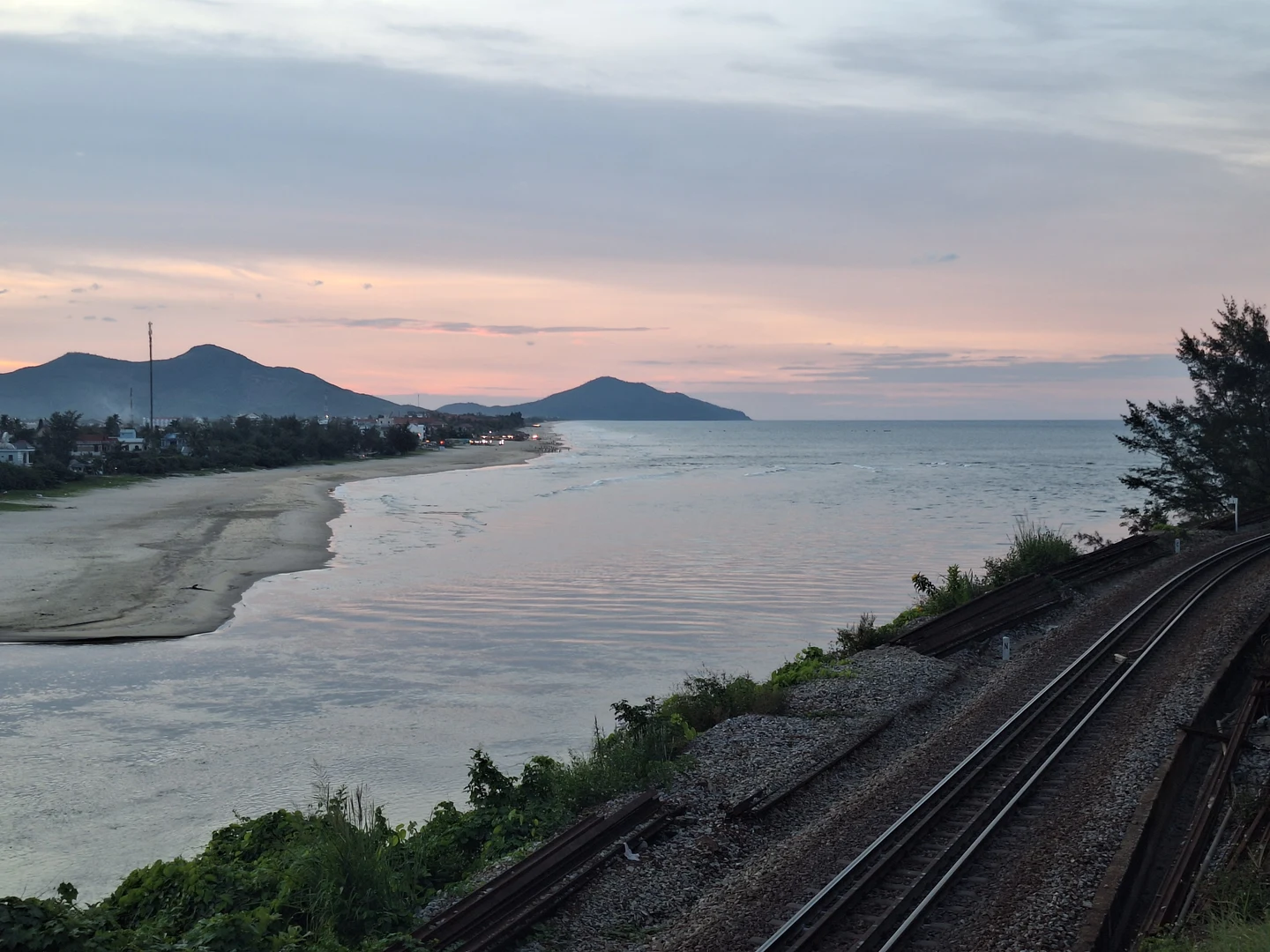
Descending Hai Van Pass into Lang Co, there is a scenic overlook where you might catch a passing train if luck is on your side. The view is genuinely stunning: Lang Co Beach stretches out across the bay, while the railway tracks run directly beneath your feet, making a rumbling train feel almost touchable. Lang Co marks the start of Hue province, but Hue City itself is still over 60 km away, requiring passage through two tunnels. Cautious driving remains essential here, as the national highway carries heavy freight traffic.
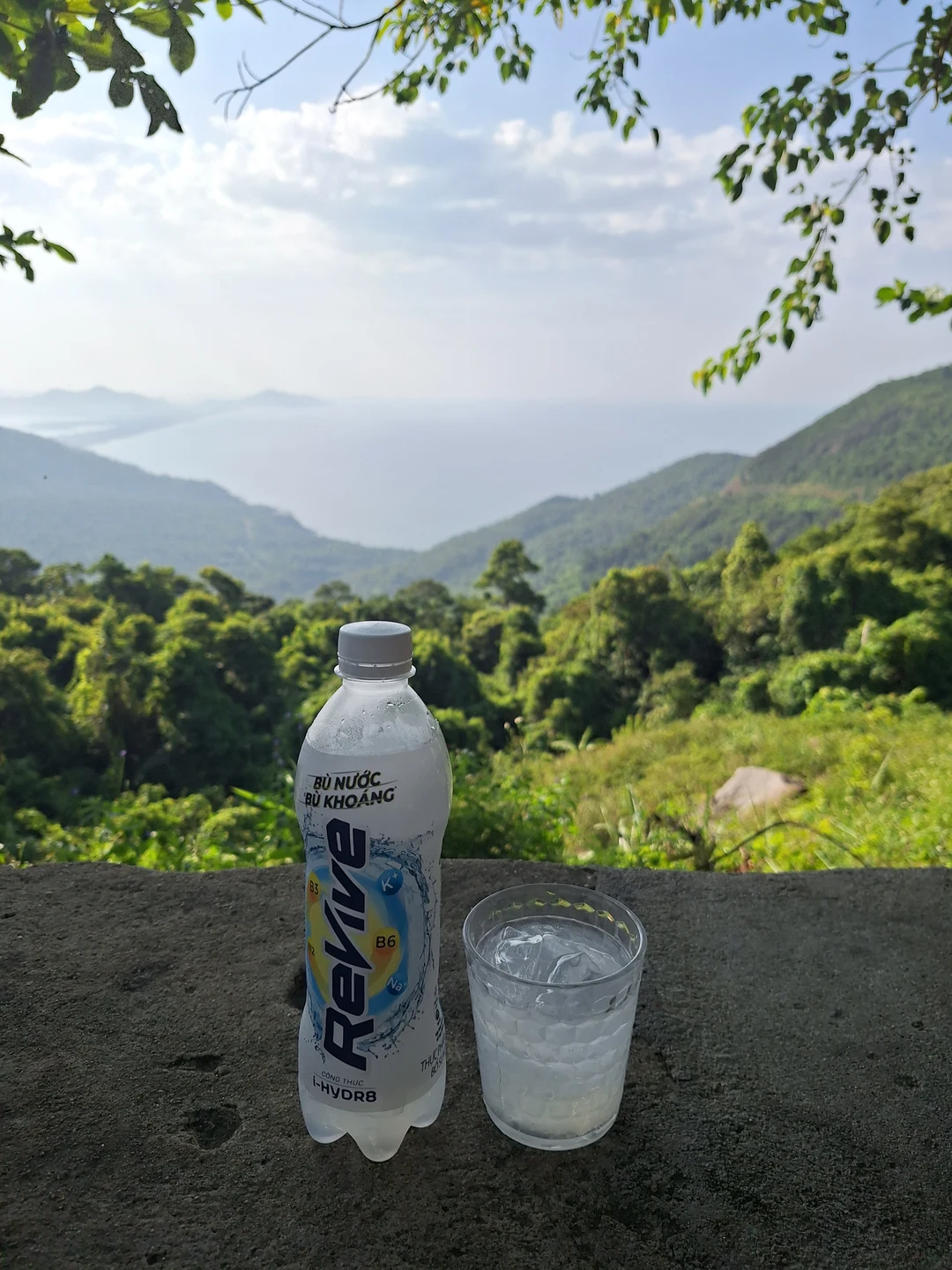
The entire ride takes around three and a half hours. Sun protection is paramount—wear long sleeves, because the Vietnamese sun will punish anyone who skips sunscreen. Yet the ride is packed with authentic sights: children commuting to school, parents ferrying kids on motorbikes, older primary schoolers on bicycles, middle schoolers on electric scooters often helmetless, and high schoolers on worn-out scooters handed down from older siblings. When tired, pulling over at roadside drink stands for coconut water on a swinging hammock is a signature Vietnamese rest ritual. If hungry, small eateries serving Com (rice dishes) or Bun Bo (beef noodles) are everywhere at very friendly prices.
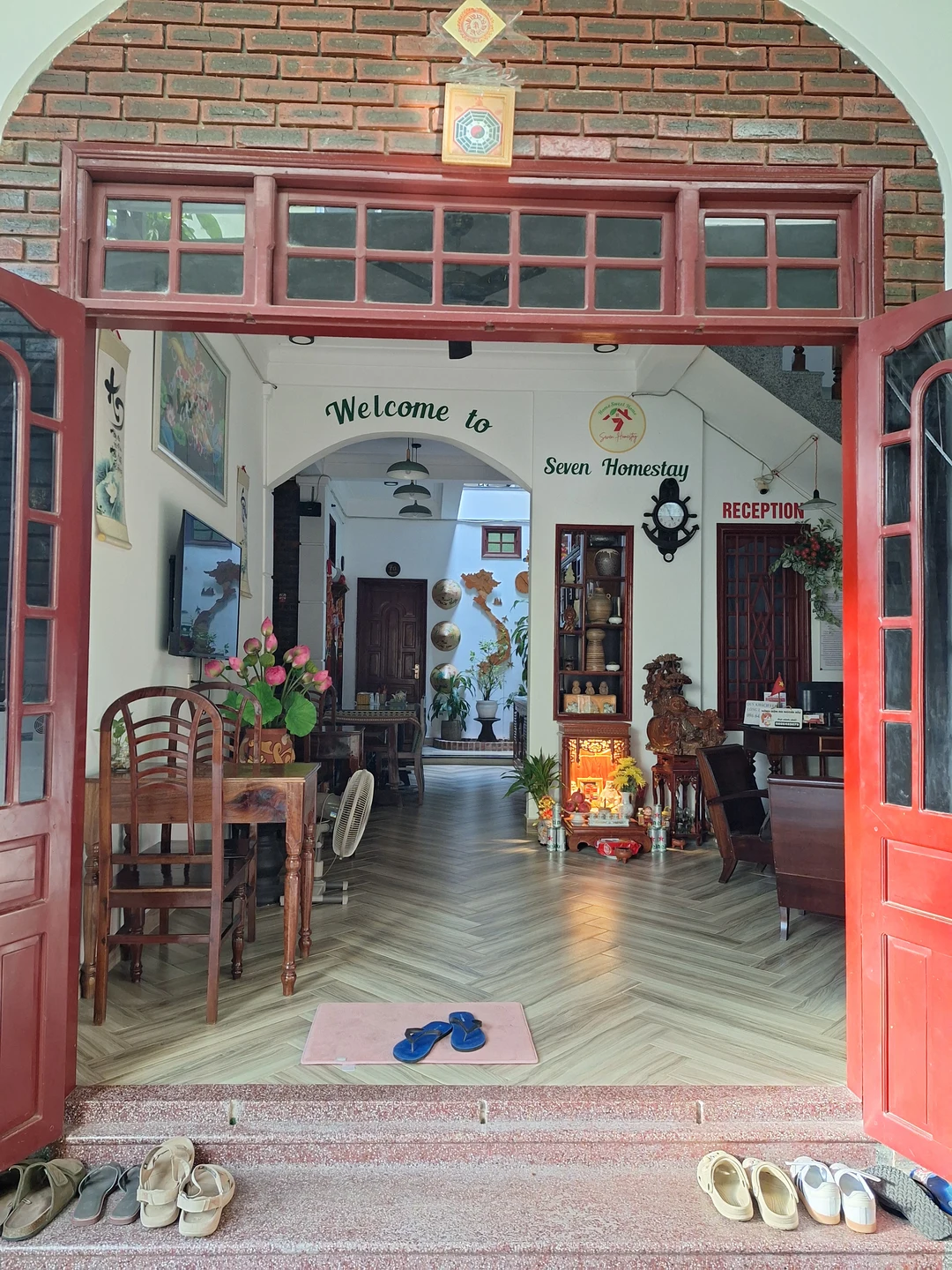
Arriving in Hue City, the real journey begins, and this city never disappoints. Hue might lack the international buzz of Hoi An or the dramatic karst stardom of Ninh Binh. But Hue’s charm lies in its moderate scale as a centrally-governed municipality, offering comprehensive public amenities. Its only minor downside is that the center sits inland from the beach, making summer afternoons quite hot.
If you’ve already checked off the Citadel and tombs, Hue has plenty of hidden gems—first and foremost Thuy Tien Lake. Not an official ticketed attraction, this abandoned water park has become a free public wonder. It’s a 20-minute motorbike ride from downtown. If it’s not too hot, you don’t even need a bicycle inside; just walk around. The park’s crown jewel is a giant concrete dragon coiled over the lake that you can climb inside. If it’s warm, renting a bicycle for about 20K VND (~$0.80 USD) is great fun. After spending an hour here, head straight to Vong Canh Hill nearby.
Vong Canh Hill is a scenic knoll adjacent to the Perfume River, less than a ten-minute ride from Thuy Tien Lake. Filled with pine groves seldom seen in tropical Vietnam, it’s a renowned photo hotspot overlooking a grand river bend. Local youths and girls gather here frequently; if you have a good eye for photography, it’s a wonderful spot to capture candid moments. The hill is free to visit, and on clear days, it’s worth returning to regularly for a relaxing hour.
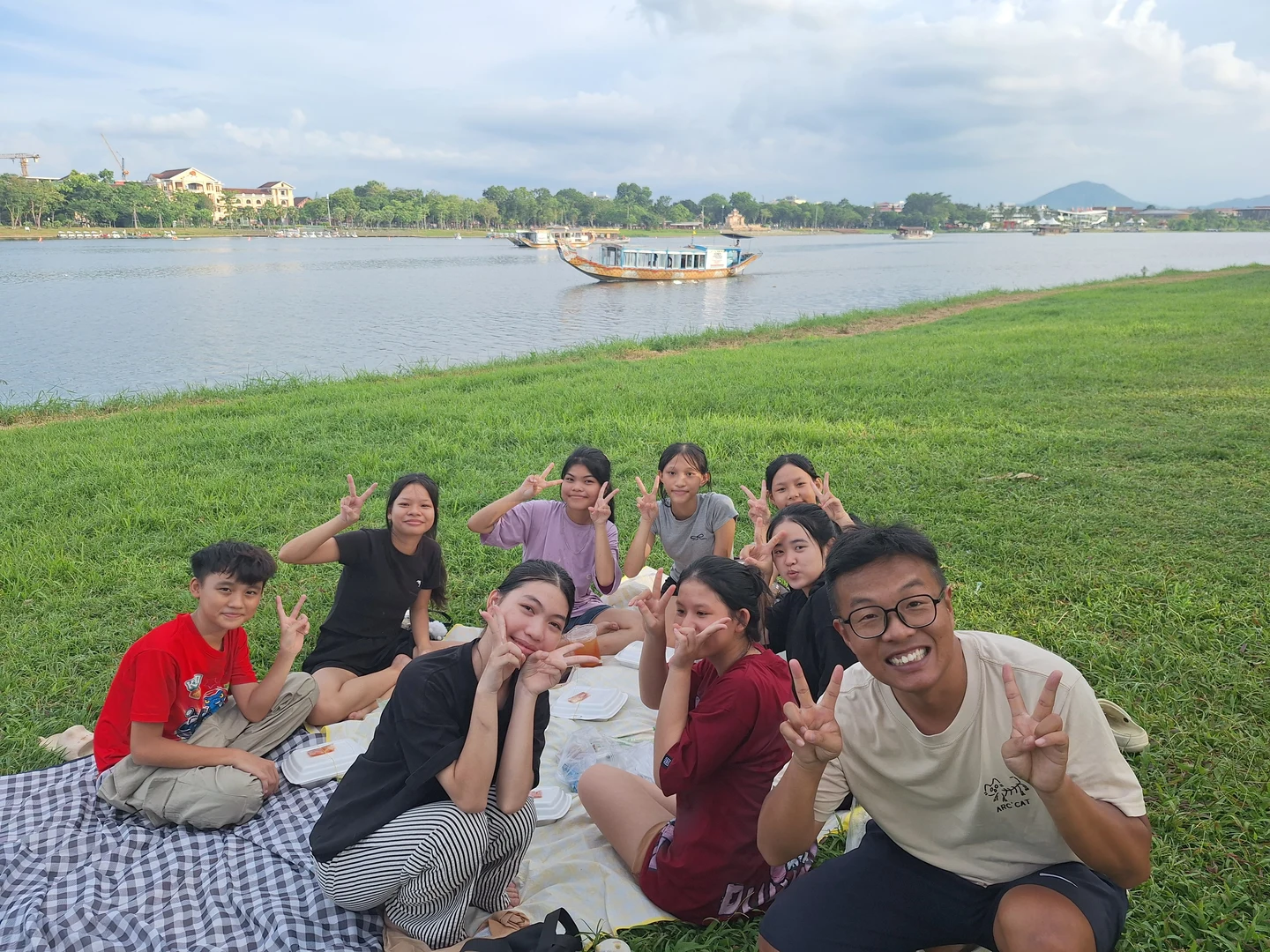
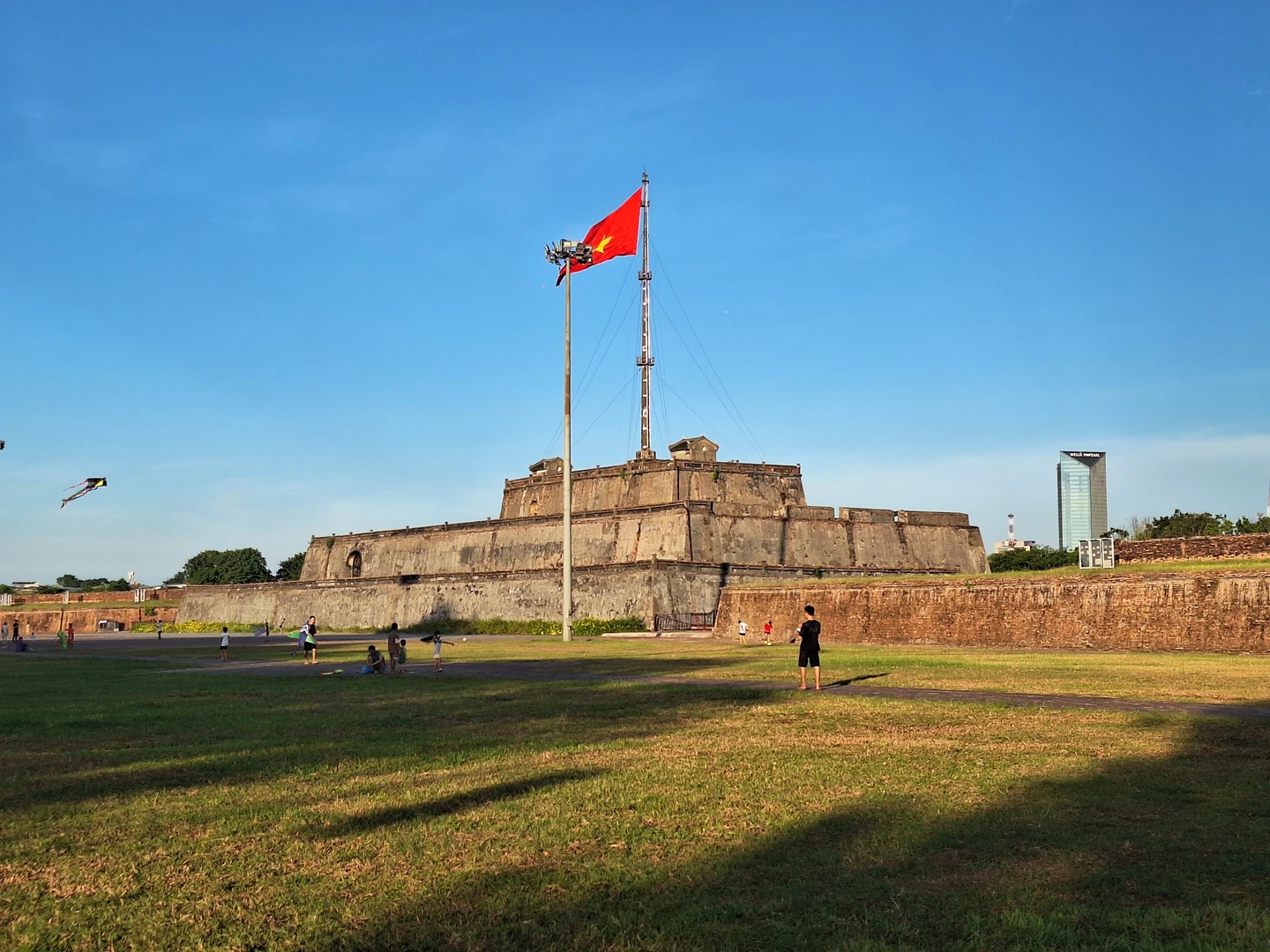
By 4:00 PM, I recommend heading to Thien Mu Pagoda, an unmissable and free iconic landmark in Hue. The historic multi-tiered tower greets you at the entrance, opening into temple compounds. Watching the sunset along the Perfume River embankment in front of the pagoda is magical, with mountains framing the golden dusk. Visitors can also rent stand-up paddleboards (SUP) or life jackets to swim in the river, enjoying lively watersports.
For food lovers, Hue’s culinary heritage is legendary across Vietnam. Front and center is Bun Bo Hue, the renowned spicy beef noodle soup and my personal favorite. Prices in Hue are noticeably lower than Da Nang, so you can order freely without budget anxiety. Exploring small food stalls one by one based on Vietnamese friends’ recommendations was immensely rewarding.
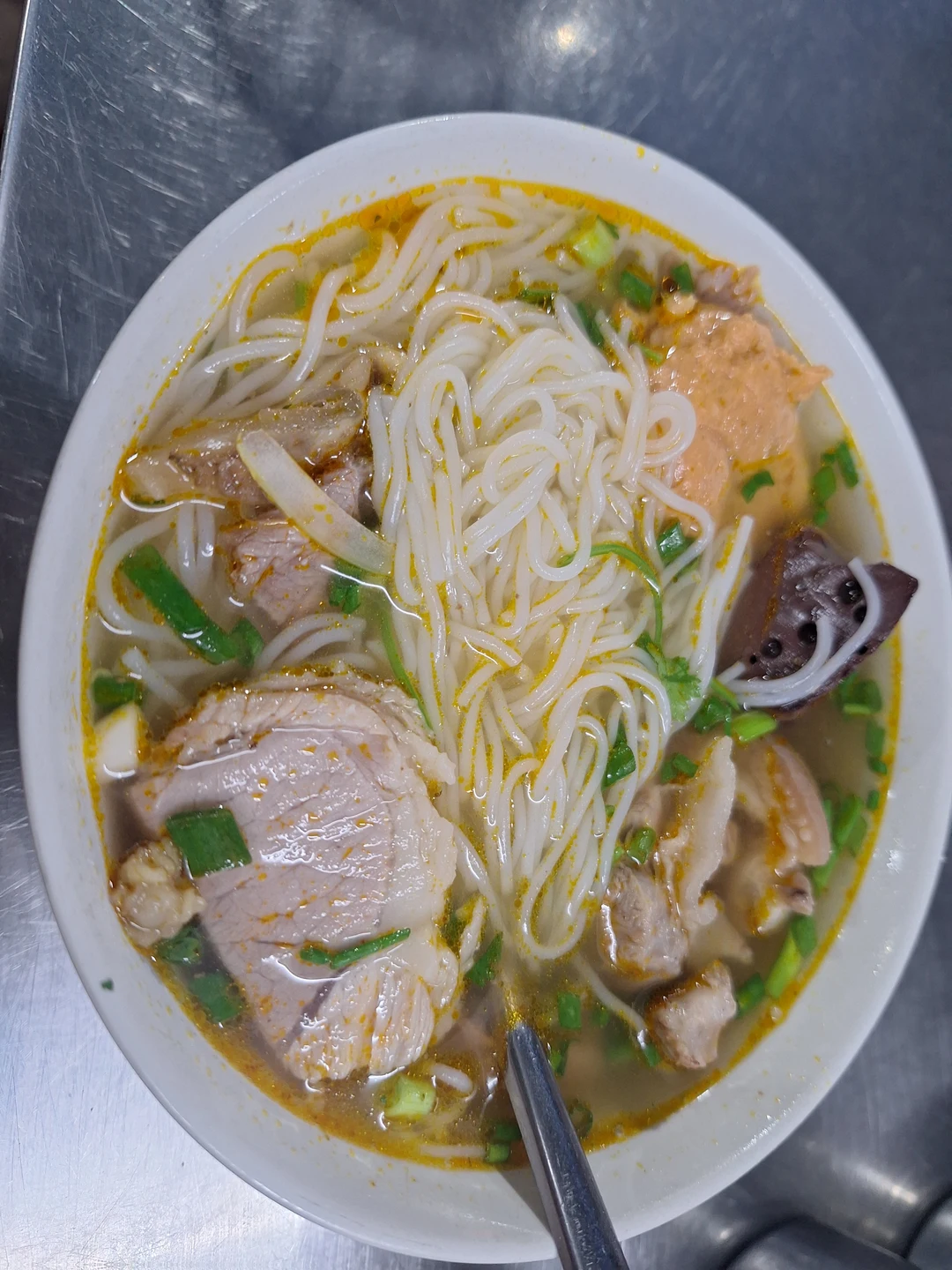
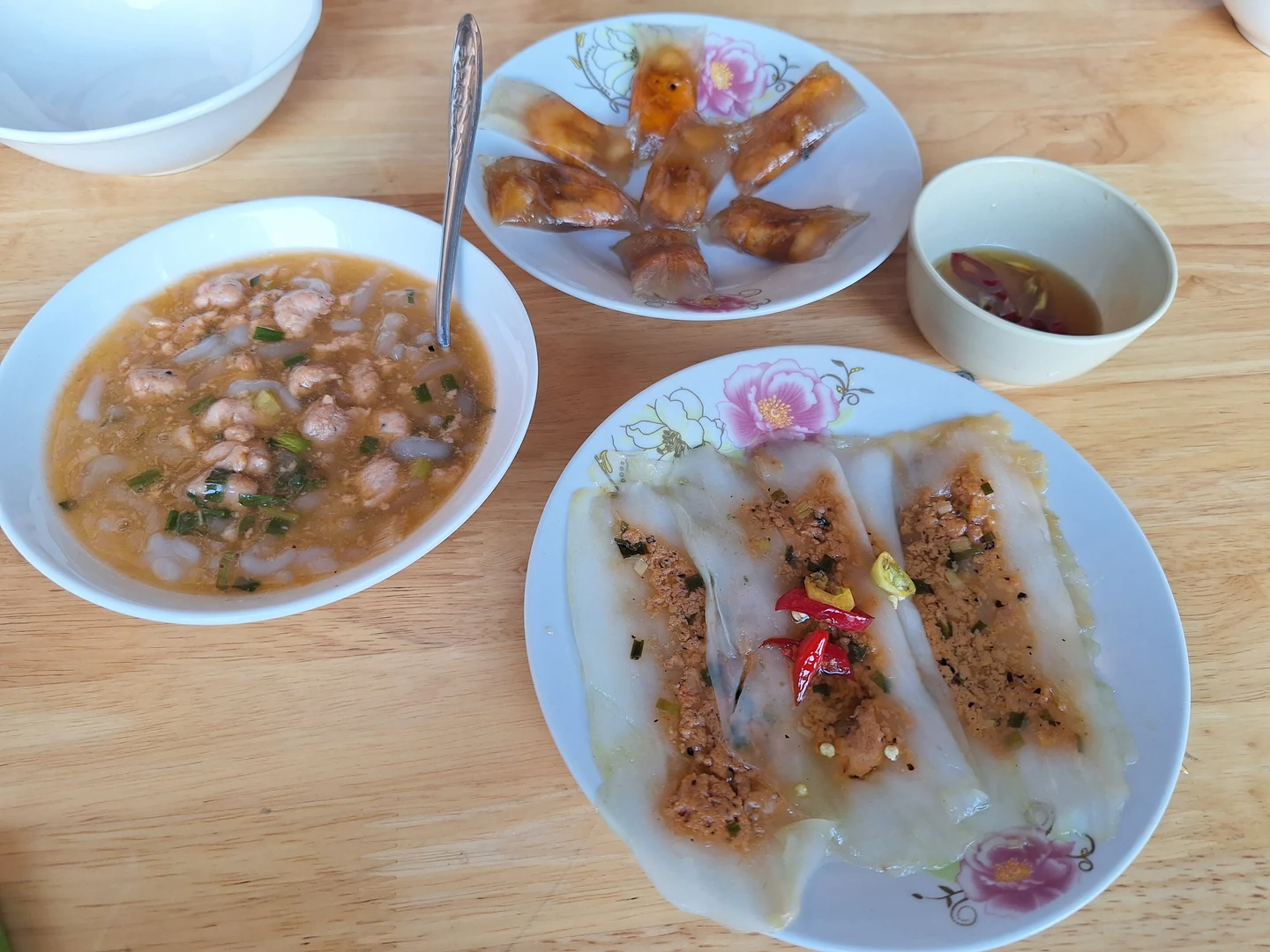
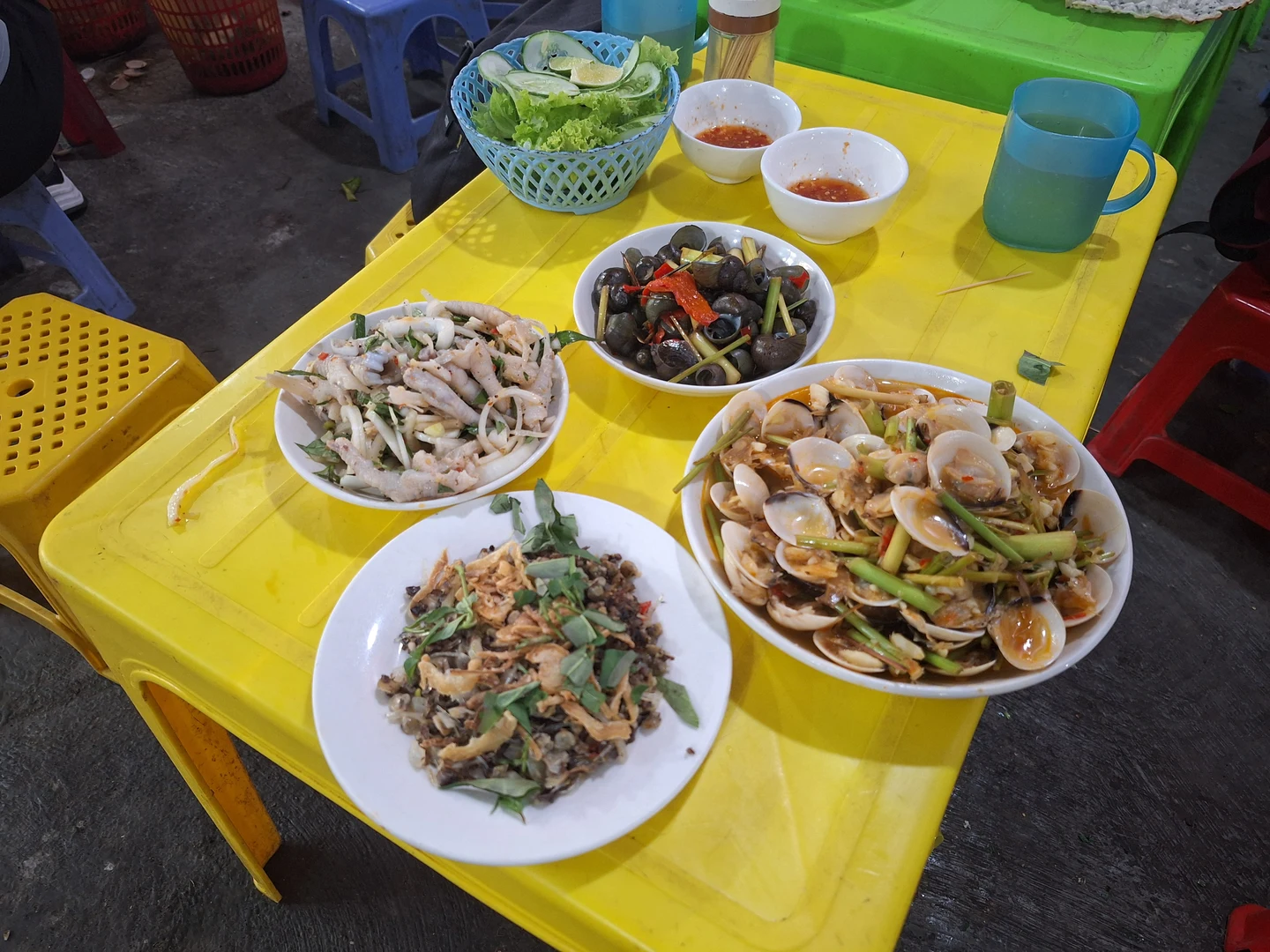
Evenings in Hue are anything but dull. Vietnamese locals love draft beer, and sidewalk stalls and taverns buzz with lively groups shouting “mot hai ba dzo, hai ba dzo, hai ba uong!” (one, two, three, cheers!). Even if you’re traveling solo, don’t hesitate to step inside, order a dish and a beer, and join right in. A hearty dish and cold beer costs barely 120K VND (~$5 USD), offering a warm grassroots camaraderie that’s hard to replicate back home.
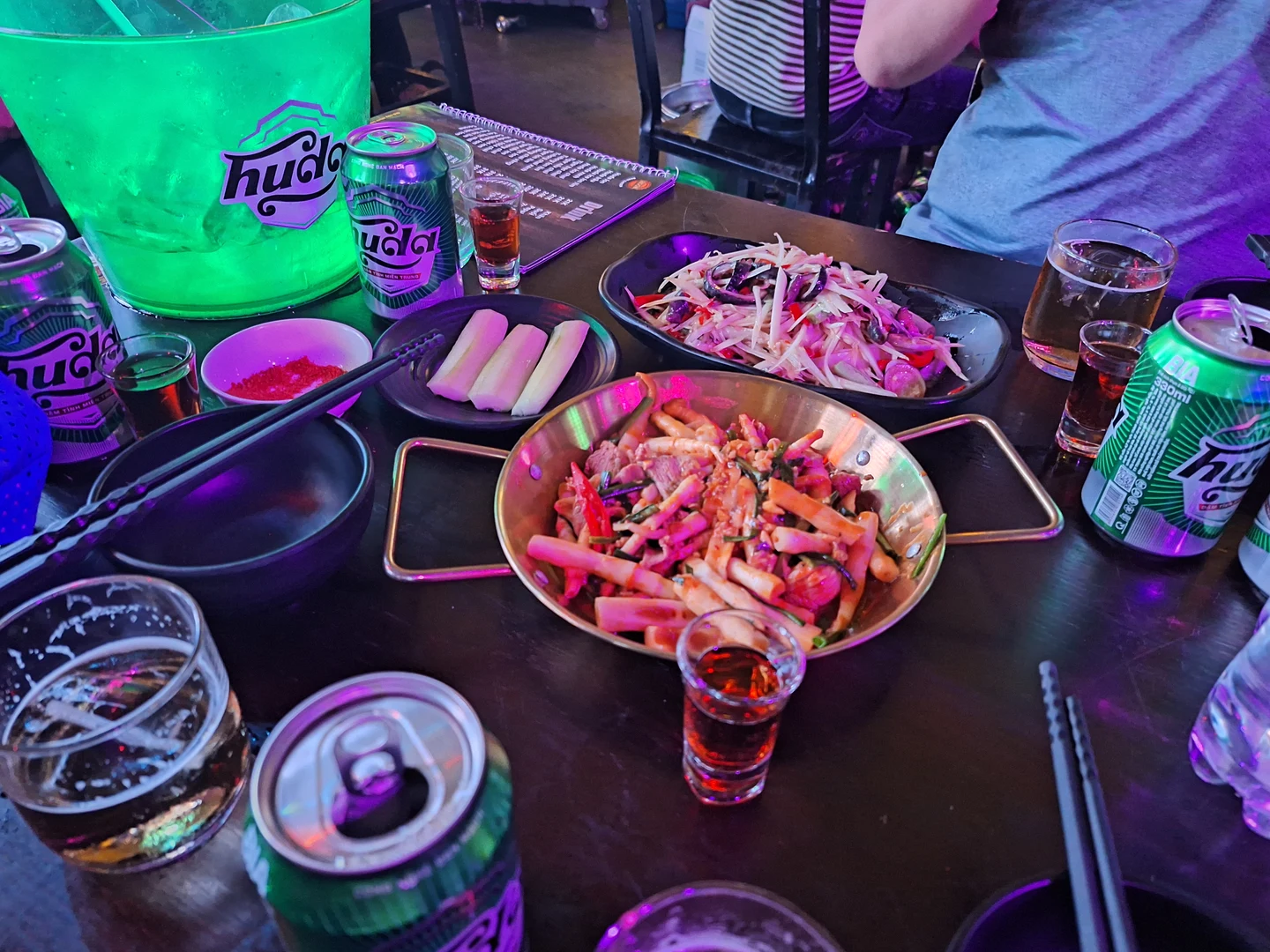
Late into the night, you can check out local Hue pubs—not enclosed commercial clubs where you can’t see anything, but open-air venues where energetic young dancers climb onto chairs to dance to dynamic music. I hadn’t entered before, worrying it might be overpriced or full of promoters trying to hustle customers. But one night my British friend Leigh and I went in and found food and beer priced similarly to street stalls, only slightly higher and totally reasonable. Experiencing an authentic local pub is a must in Vietnam: order a couple of dishes and beers, running about 200K VND (~$8 USD) per person. I love the atmosphere—locals are remarkably friendly, spontaneously toasting strangers regardless of gender in infectious good spirits.

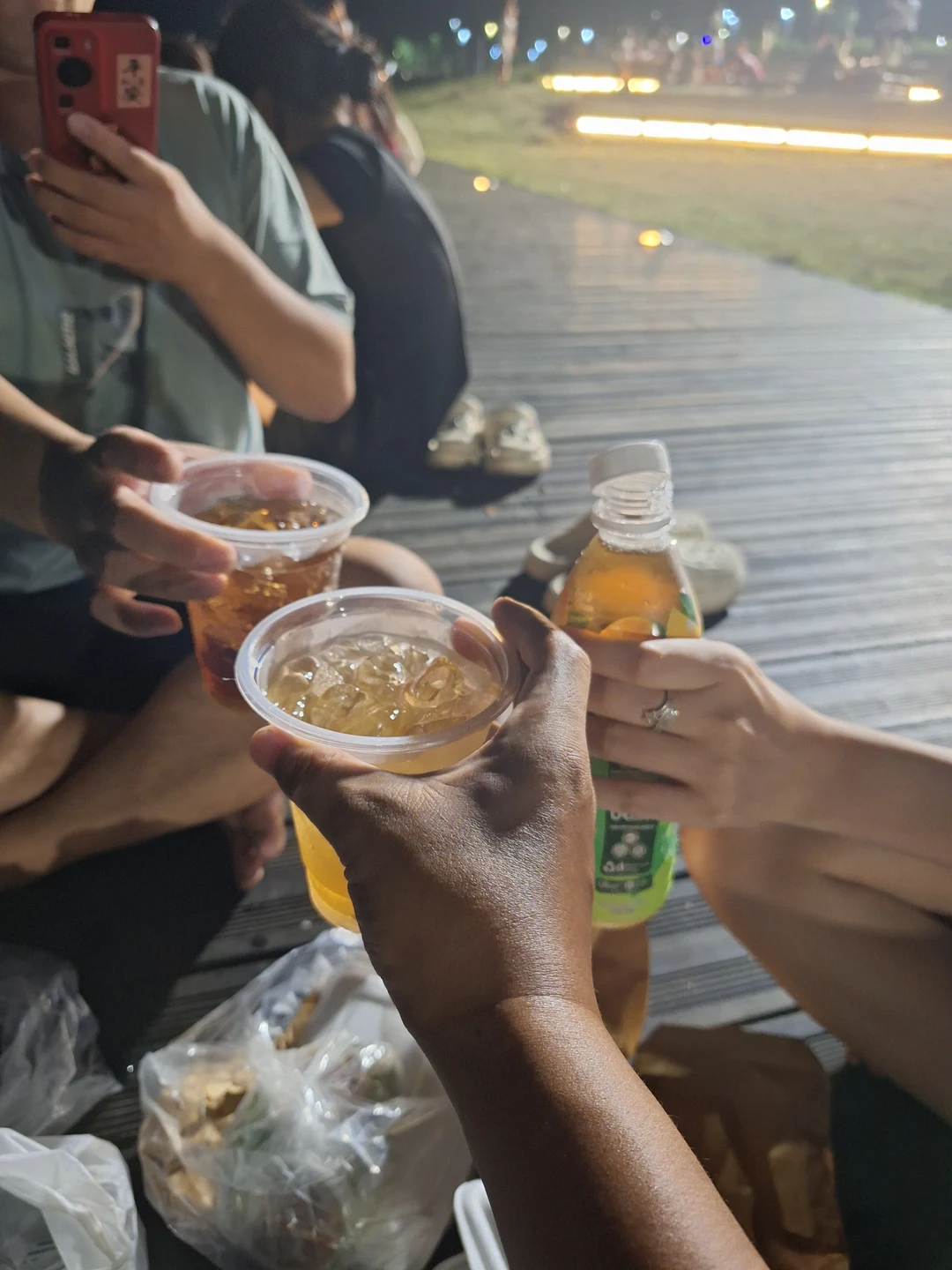
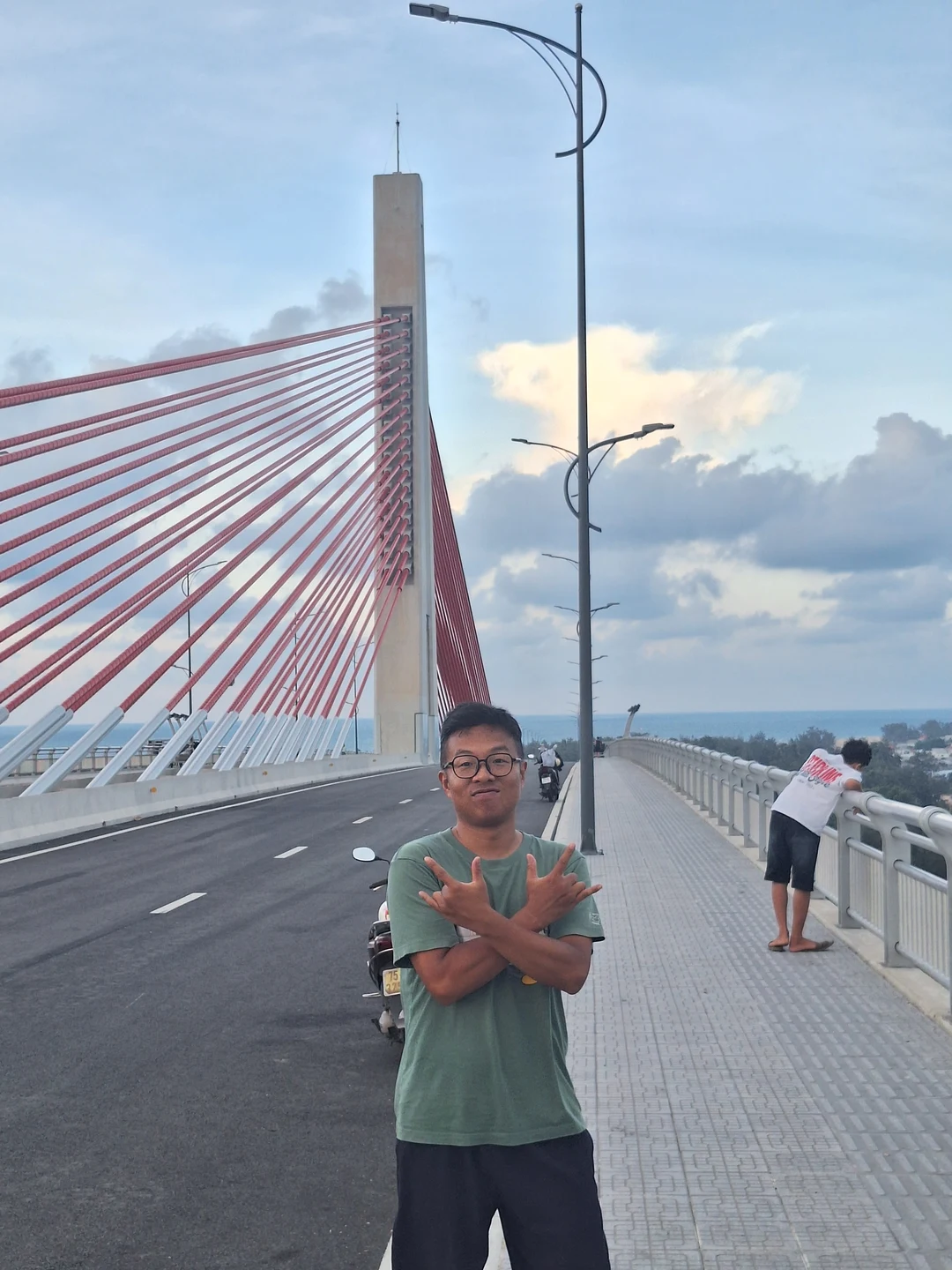
If you’ve stayed in the city a while and really want to see the ocean, I’d recommend Thuan An Beach. First navigate to Thuan An Bridge, a newly opened bridge this year offering fantastic panoramic views that’s become a popular photo spot. Thuan An is quite raw; the sea itself is fairly average, but nearby seafood is remarkably cheap and delicious.
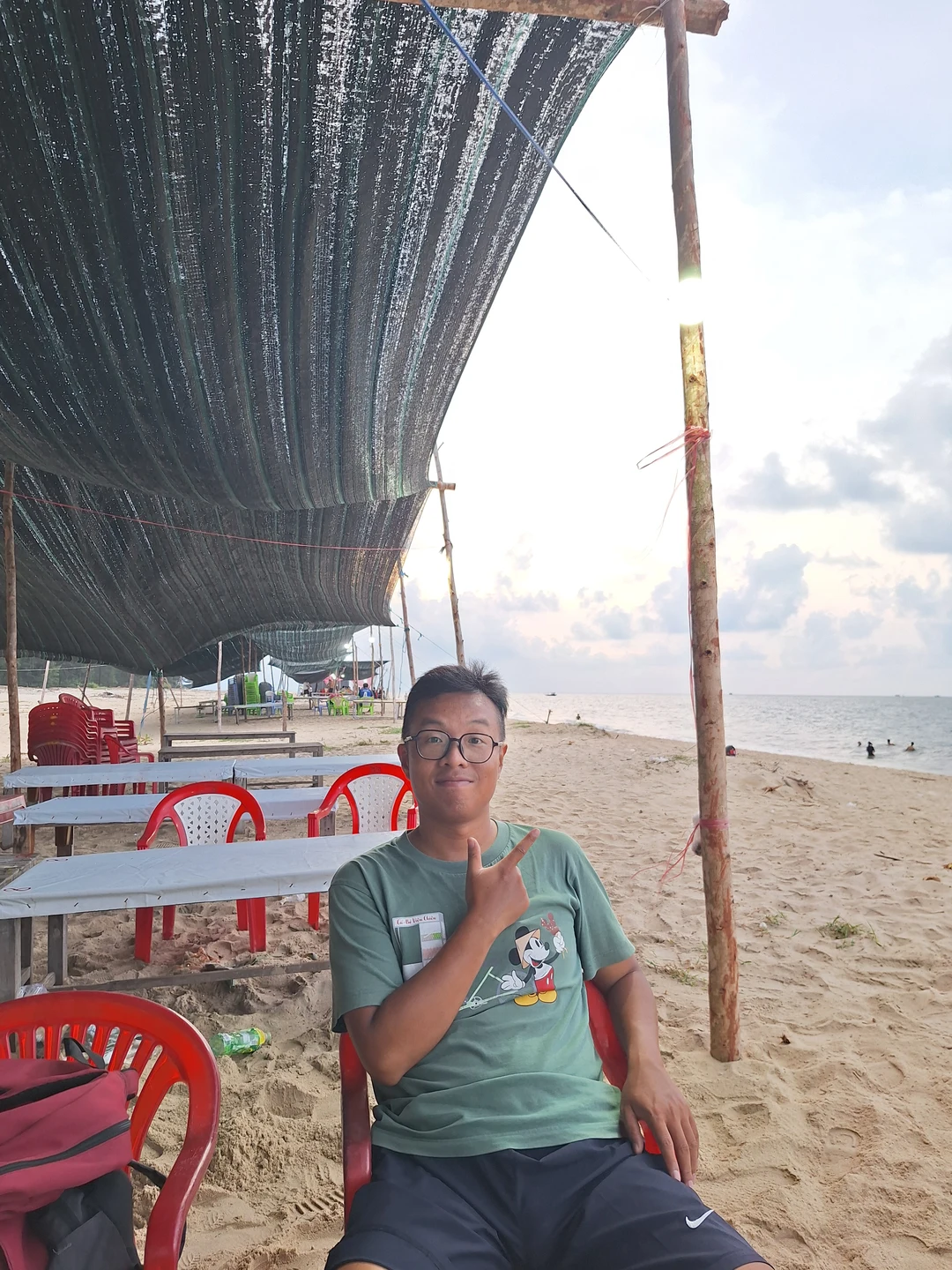
The first time I went out with Leigh, we checked out several beach stretches. The water wasn’t crystal clear and the surf was quite rough, not suitable for swimming. We stopped at a random local shack for dinner where Leigh had frog for the first time—he was totally stunned and hesitated before taking a bite. This beach sees very few foreign tourists, populated mostly by locals, making it ideal for clearing your mind. The only trade-off is the distance from the city center, taking around 30 minutes by motorbike.
All in all, Hue offers immense charm. Eating and staying here is remarkably affordable, making it a truly underrated travel destination.